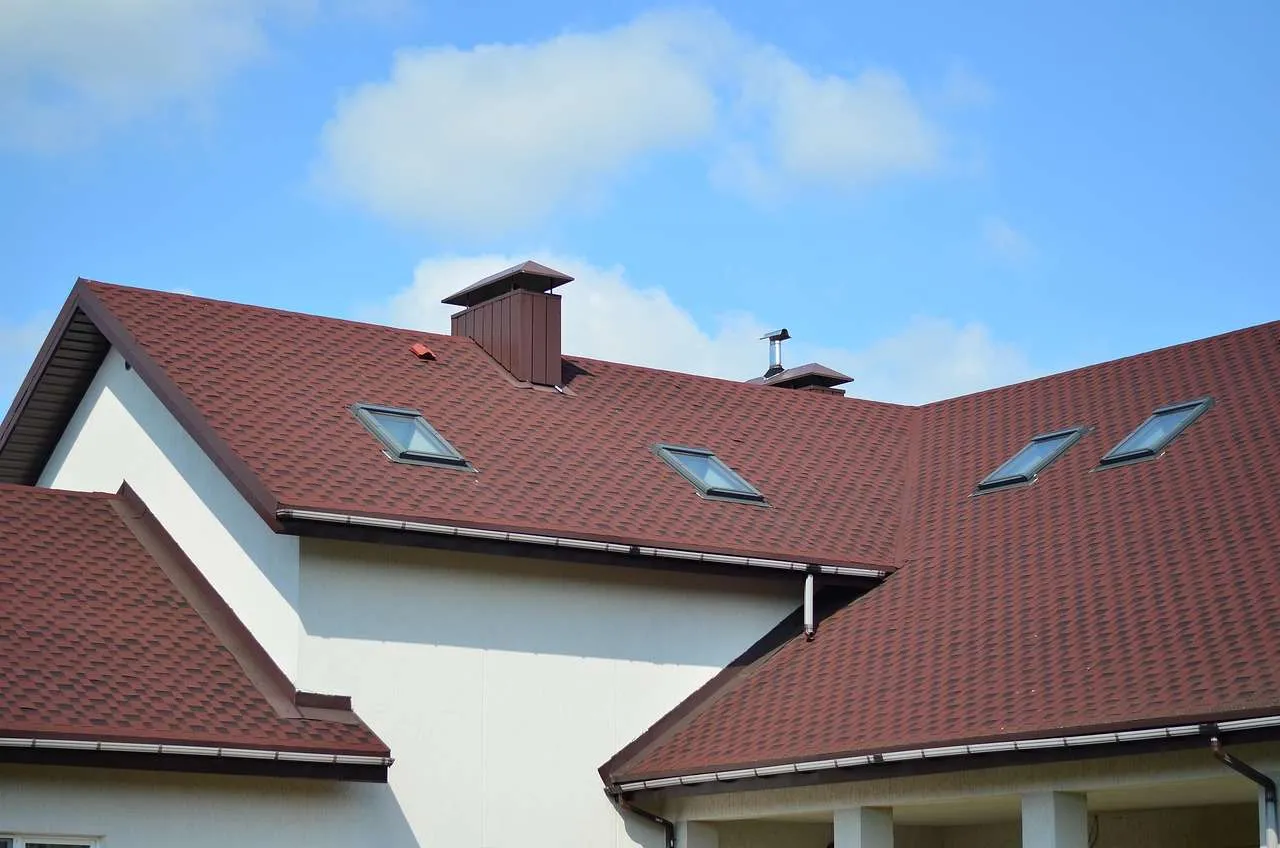
As a seasoned roofing professional, this guide explains tpo roofing and how it fits into durable, energy efficient building envelopes. tpo roofing is a popular single ply membrane used on commercial and some residential projects. Understanding its performance, installation requirements, and long term maintenance helps property owners, managers, and contractors make informed decisions. This article follows industry standards and manufacturers guidelines to deliver reliable, EEAT oriented guidance you can trust.
What is tpo roofing?
tpo roofing stands for thermoplastic olefin, a flexible, heat weldable single ply membrane. It is typically white or light gray to reflect sunlight, reducing cooling loads for buildings. The membrane is installed in large sheets and seams are joined by heat welding rather than adhesives. This combination of ease of installation, water tight seam technology, and reflective surface makes tpo a prevalent choice for flat and low slope roofs in many climates.
Benefits of tpo roofing
- Energy efficiency through high reflectivity reduces indoor cooling costs and helps meet green building goals.
- Durability with resistance to impacts, punctures, and some chemical exposure when properly installed.
- Lightweight and flexible membrane that adapts to roof contours and penetrations with compatible flashings.
- Seam strength via heat welding provides reliable waterproofing over time when installed by trained professionals.
- Relative ease of maintenance and potential repair options compared with multi ply systems.
Choosing a reputable manufacturer and qualified installer is critical because performance relies heavily on the quality of materials and the consistency of seam welding. When correctly installed, tpo roofing can deliver years of service with predictable maintenance needs.
Considerations and limitations
While tpo roofing offers many advantages, there are important considerations. Substrate condition and proper surface preparation influence adhesion and the longevity of the system. Some concerns include seam integrity if welding is inconsistent, wind uplift risk on large sheets, and compatibility with certain roof penetrations and ballast methods. Climate, roof orientation, and traffic on the roof also affect wear patterns. Always verify warranty terms and ensure the product line you select is approved by the roof system designer and local codes.
Installation process
The installation sequence generally includes deck evaluation, substrate cleaning, insulation placement, membrane unrolling, seam welding, and edge detailing. Professional installers use calibrated heat welders and test seam strength to ensure continuity. Flashings around edges, penetrations, and curbs must be integrated with meticulous attention to detail. A quality installation minimizes thermal expansion issues and prevents premature failures.
Preparation and material selection
Prepare the roof deck, verify drainage, and confirm weather conditions before installation. Select a tpo membrane with the appropriate thickness and reinforcement for the project. Field tests of seam bonding and sample welds can help validate installation readiness before full deployment.
Quality control during installation
Quality control includes verification of seam temperatures, weld length, and clean profiles at terminations. Experienced crews document each step and perform post installation inspections to confirm watertight performance across the entire roof surface.
Maintenance and lifespan
Maintenance is typically minimal but essential for maximizing life. Schedule regular inspections, especially after storms or severe weather, to check for lifted edges, seam degradation, or punctures. Keep the membrane clear of debris to prevent chemical buildup and ensure drains remain unblocked. Under normal conditions, tpo roofing systems can reach roughly 15 to 25 years of service, with longer life possible when installed correctly and protected from harsh elements.
Cost and budgeting
Costs for tpo roofing vary by roof size, thickness, insulation needs, and regional labor rates. Typical installed costs for commercial projects are in the range of five to nine dollars per square foot, depending on membrane thickness, reinforcement, and the complexity of detailing. A well planned project with a reputable contractor can balance upfront expense with long term energy savings and reduced maintenance requirements.
TPO roofing vs alternatives
| Membrane | Pros | Cons | Typical Lifespan | Estimated Installed Cost Range |
|---|---|---|---|---|
| TPO | Reflective, energy efficient; heat weld seams | Quality varies by installer; performance depends on installation | 15 to 25 years | 5 to 9 per sq ft |
| EPDM | Durable, flexible; good for complex shapes | Lower reflectivity; wind uplift concerns if not sealed | 20 to 30 years | 4 to 7 per sq ft |
| PVC | Very durable; strong seams; excellent for hot climates | Higher material and installation cost | 20 to 25 years | 8 to 12 per sq ft |
Frequently asked questions
Is tpo roofing good for cold climates?
Yes, with proper installation and flashing details, tpo can perform well in cold climates. The material remains flexible in cold weather, and heat welded seams can provide a strong waterproof seal. Consult your installer about gradient and insulation considerations for freezing conditions.
How long does tpo roofing last?
Typical lifespans range from 15 to 25 years, influenced by climate, roof design, maintenance, and the quality of installation. Routine inspections help catch issues early and extend service life.
Conclusion
tpo roofing offers a compelling combination of energy efficiency, durability, and cost effectiveness for modern buildings. The key to maximizing benefits lies in selecting a quality product, ensuring a skilled installation, and committing to regular inspections and maintenance. When paired with proper insulation, ventilation, and a reputable contractor, tpo roofing can deliver reliable waterproofing, lower cooling costs, and a longer service life than some alternatives.
Summary, this guide has covered what tpo roofing is, its core advantages and limitations, installation considerations, maintenance practices, and how it compares to other membranes. By focusing on product quality, contractor credentials, and proactive upkeep, you can optimize performance and budget over the life of your roof.