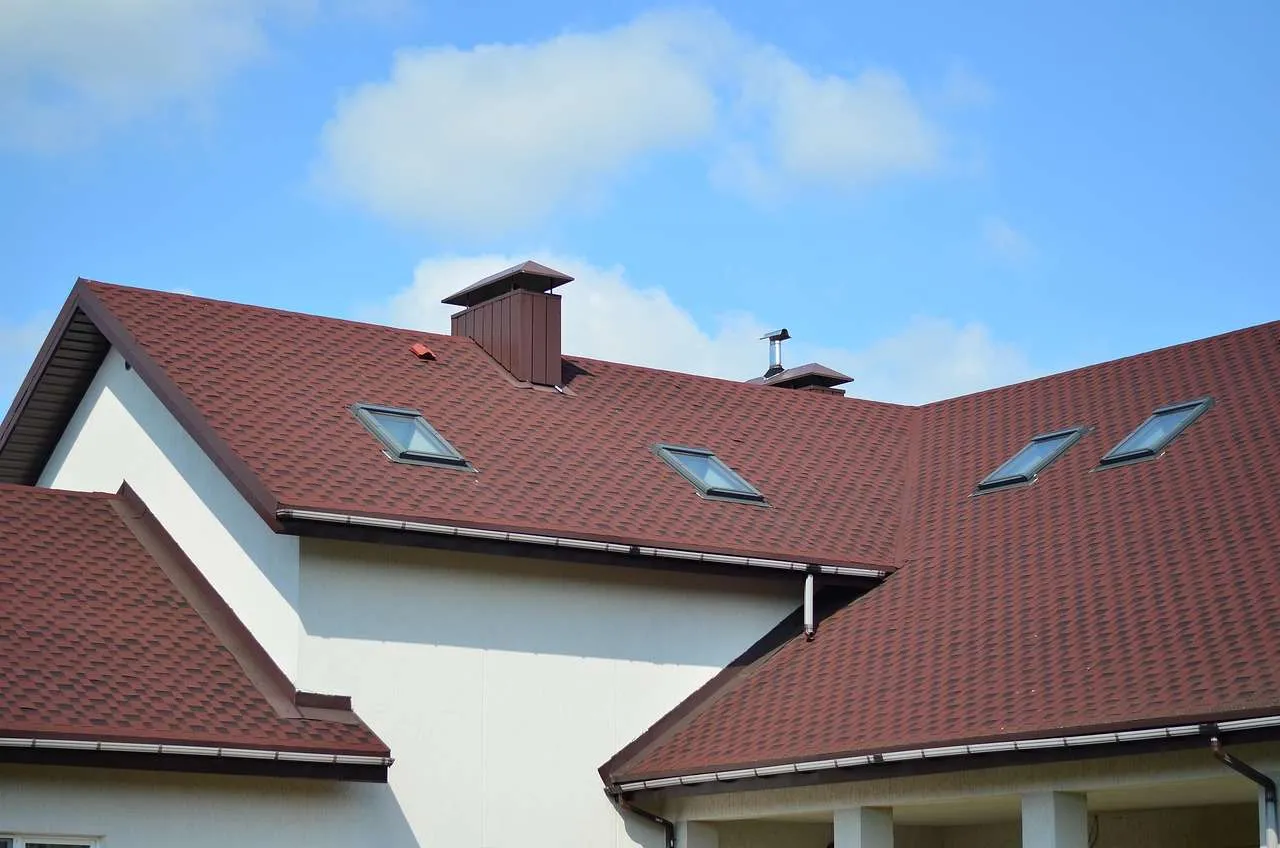
Corrugated metal roofing has become a popular option for homeowners and builders seeking a durable, low-maintenance roof. Made from galvanized steel, aluminum, or zinc-aluminum alloys, the distinctive wavy profile provides strength and quick water shedding while maintaining a lightweight footprint compared with traditional material choices.
What is Corrugated Metal Roofing?
Corrugated panels are typically made from galvanized steel, aluminum, or coated alloys such as zinc-aluminum. They arrive in long sheets with a repeating corrugated pattern that adds rigidity. Finishes range from factory-applied paints to reflective coatings that improve energy performance. Modern systems use color-matched sealants, corrosion-resistant fasteners, and compatible underlayment to ensure a watertight roof.
Advantages of Corrugated Metal Roofing
- Durability: highly resistant to wind, hail, fire, and rot; commonly rated for 40–70 years of service.
- Lightweight and quick to install relative to other roofing options.
- Low maintenance; coatings protect against corrosion and fading and enable easy cleaning.
- Energy efficiency: reflective coatings and light colors reduce cooling loads in hot climates.
- Design flexibility: pairs well with modern and rustic styles and can support solar installations.
Considerations and Limitations
Noise during heavy rain can be noticeable unless the roof is properly insulated or filled with sound-damping underlayment. Metal roofs expand and contract with temperature, so proper fastening and compliant flashing are essential. Slope requirements vary by profile but many corrugated systems perform best on pitches of 2:12 or higher. Local codes, insurance, and warranties matter; hail-prone areas may require thicker gauges or reinforced coatings.
Design, Sizing, and Application
Choosing the right gauge, coating, and panel width influences longevity and aesthetics. Thicker gauges (lower number in metal roofing terms) offer greater dent resistance and wind performance. Panels can be cut to custom lengths, and color options—from neutrals to bold hues—help match home style. Ensure an appropriate underlayment, ventilation, and attic insulation, plus proper flashing at eaves, ridges, and penetrations.
Cost, Longevity, and Return on Investment
Material costs for corrugated metal roofing typically range from modest to premium, depending on alloy, coating, and thickness. Installed prices commonly fall between roughly $6 and $12 per square foot, with higher-end profiles and thicker gauges increasing the total. The long service life and reduced maintenance often translate into strong total-cost of ownership advantages, along with potential energy savings and favorable insurance terms.
Comparison at a Glance
| Material | Typical Lifespan | Weight | Installation Ease | Cost (Installed per sq ft) | Best For |
|---|---|---|---|---|---|
| Corrugated metal roofing | 40–70 years | Lightweight | Moderate; professional advised | $6–$12 per sq ft | Durability, extreme climates, modern aesthetics |
| Asphalt shingles | 15–30 years | Heavier | Easy; DIY-friendly | $3–$6 per sq ft | Low upfront cost, broad availability |
| Standing seam metal | 40–70 years | Midweight | High; skilled installer | $8–$15 per sq ft | Sleek, weather-tight seams, long warranty |
| Tile or concrete | 50–100 years | Heavy | Structural checks needed | $9–$20 per sq ft | Classic aesthetics, long life |
What to Ask Your Roofing Professional
Prepare a checklist: material grade, coating warranty, underlayment choice, fastener type, color options, roof pitch compatibility, and maintenance plan. A qualified contractor can tailor corrugated metal roofing to your climate, budget, and home style, ensuring proper flashing, venting, and drainage.
Conclusion, corrugated metal roofing offers a durable, versatile solution with a long lifespan and a modern look. With the right gauge, coating, and professional installation, it performs well across climates, provides energy efficiency, and requires minimal ongoing maintenance. Assess your budget, local codes, and warranty terms to choose the best option for your project.